

Boiler installation
Bromsgrove, Birmingham, Redditch, Solihull & Worcester
0800 050 2345

Need a new boiler installed?
From picking the right boiler to have fitted, through to making sure it’s done safely, correctly and up to current regulations, you’ll want the job done right.
The Right Boiler, Properly Installed
At Complete Heating, we offer a professional boiler installation service for domestic customers and landlords (and commercial clients) in Worcestershire and the surrounding Midlands.
Whether you are replacing a faulty boiler, are thinking of getting a brand new boiler or want a new boiler installed as part of a property renovation, we can offer sound advice, careful installation and an easy service from start to finish. We understand installing a new boiler is an investment in your home heating system, so instead of trying to confuse you with jargon, we aim to find you the right boiler to suit your property.
Complete Heating is Gas Safe registered – No. 215453.
Call 0800 050 2345 or email john@complete-heating.co.uk to discuss your boiler installation.
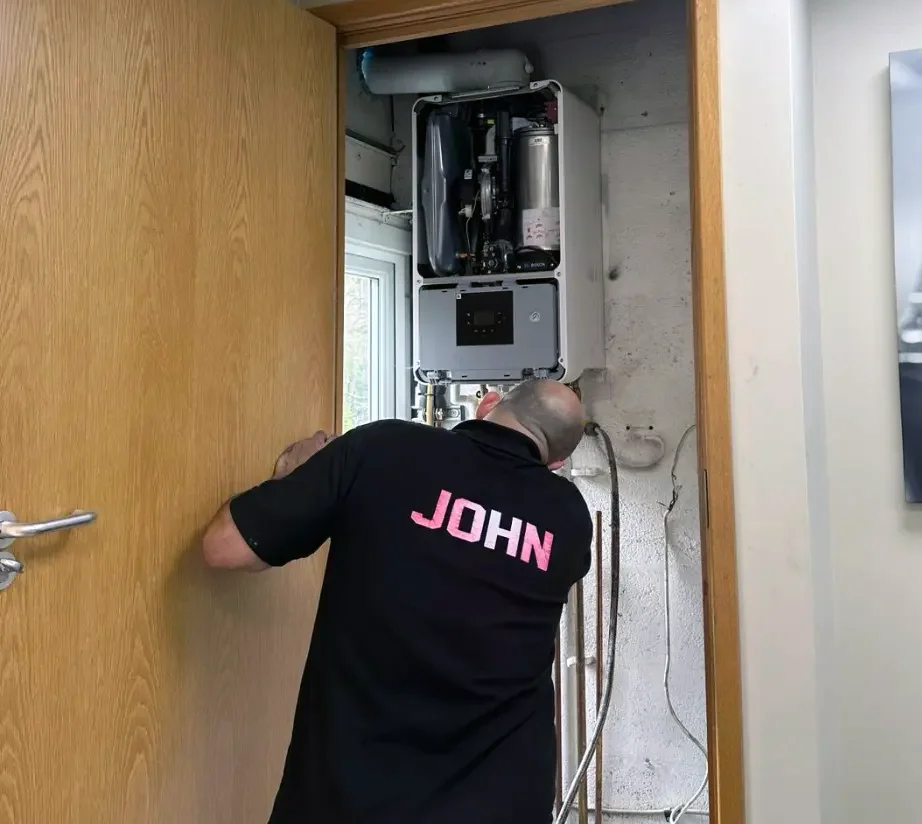
Professional Boiler Installation
By Gas Safe Registered Engineers
Gas boilers should always be installed safely and legally by a qualified professional. One of the easiest things to check when selecting boiler installers is whether they are on the Gas Safe Register. This means they are qualified to work safely and legally on gas appliances.
Our team of engineers at Complete Heating ensures a certified Gas Safe engineer performs all gas boiler installations and servicing. All our installations. Then we complete a safe and legal boiler installation. ons are carried out with your safety, compliance and long term peace of mind in mind. When looking for heating engineers in your area, it’s a good idea to weigh up their credentials, how long they’ve been doing the job, what past clients have said, and how upfront they are about the required work.
We make it simple. We survey your current system, advise you on the right type of boiler for you and explain what’s included.
What Is Included in a New Boiler Installation?
When having a new boiler installed, it’s not as simple as just changing one for another. The job will vary depending on the property you have, your existing heating system, what type of boiler you’re installing and if it is going in a new location or not.
A typical new boiler installation may include:
After the boiler is installed, it’s important to run through all the tests. The engineer should check that the boiler is working efficiently, that your hot water and central heating are working as expected and that you know how to operate the new controls.
That last step is important. For your new boiler to function optimally, it needs to be commissioned correctly, and its settings clearly explained.

How Long Does a Boiler Installation Take?
On average, a simple boiler installation will take between 1 and 3 days. Although most boiler replacements, where you swap your existing boiler for a like-for-like replacement boiler, will take less time than, say, moving from one type of boiler to another or changing the location of the boiler.
Other factors that can affect timescales include:
- Whether the new boiler is going in the same place as the old boiler
- Whether it is a swap like-for-like or a different type of boiler
- Whether new pipework is needed
- The condition of the current central heating system
- Whether extra work is needed on controls, flue position or system cleaning
So, for instance, if you’ve got an older conventional boiler and want to replace it with a newer model of the same boiler, this will be relatively quick. But if you’re changing from a conventional boiler to one of the smaller combi boilers, then this will take longer.
We always aim to let you know how long it will take to install your new boiler before we start the work.
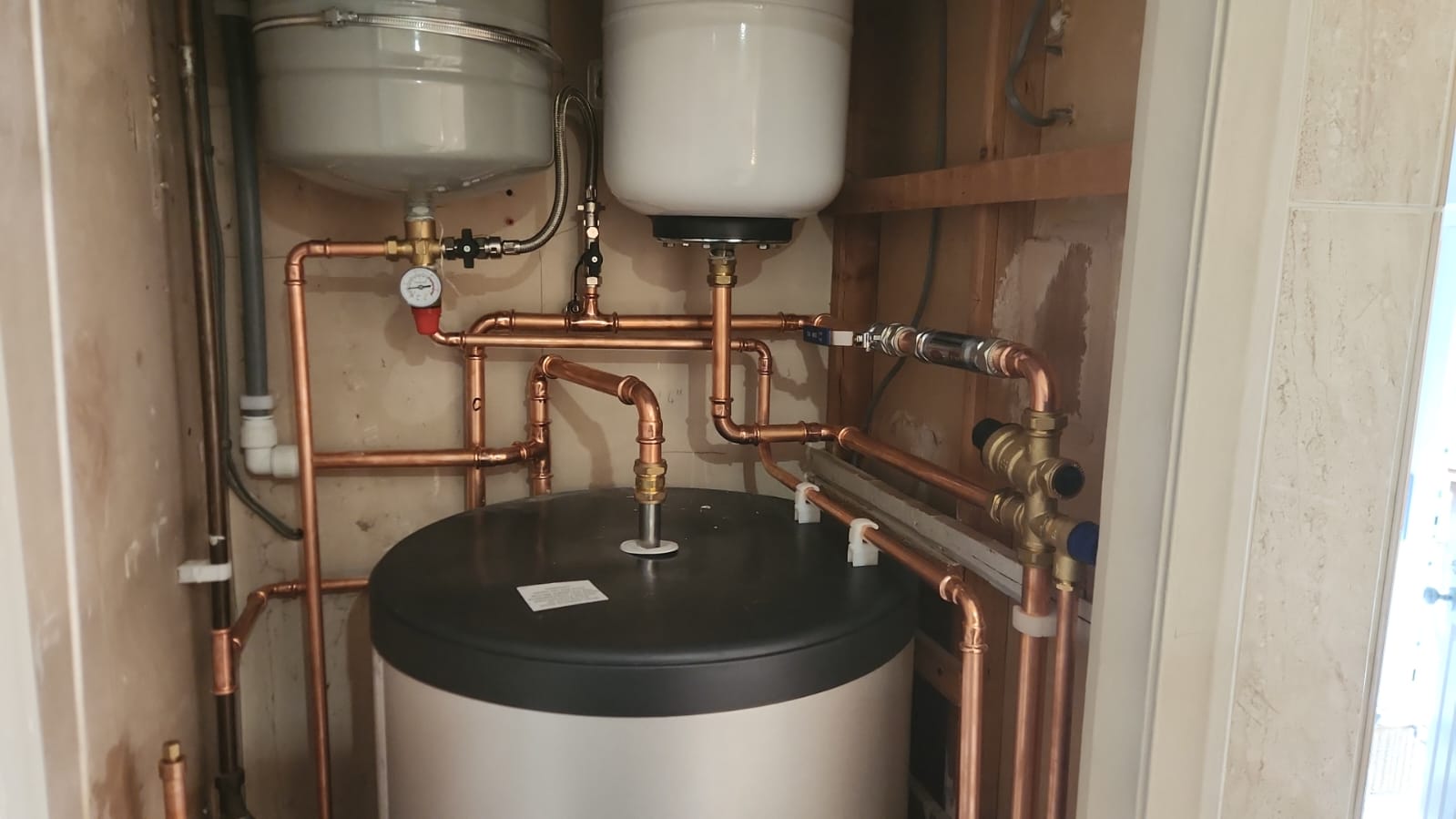
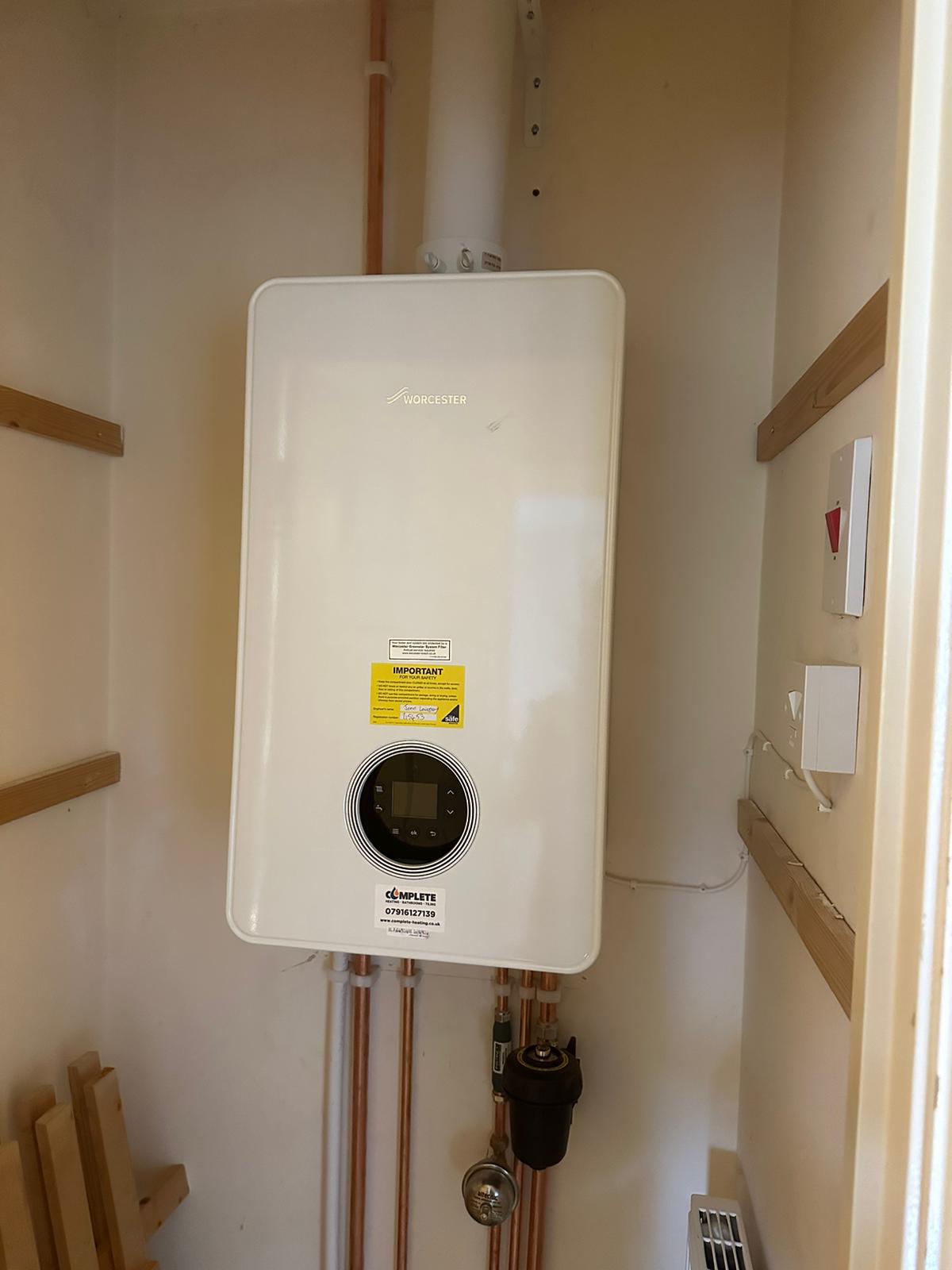

Choosing the Right Boiler for Your Home
When deciding what boiler is best for you, the first place to start is by looking at your property and your regular need for heating and hot water. The size of the boiler you’ll require is measured in kilowatts (kW), and you want your boiler output to be able to accommodate the home’s heating demands. Under-sized boilers can affect performance. Going with a boiler that’s too big means you’ll be paying for more heating power than is actually necessary.
Factors that will determine the appropriate new gas boiler for your home include:
- Property size
- Number of radiators
- Number of bathrooms
- Current water pressure
- Existing heating system
- Hot water usage
There isn’t one universal “best” boiler that suits all properties. One home may be ideally suited to one type of boiler, but installing the same boiler in a different property could be the wrong choice. That’s why a proper boiler assessment is much more useful than a round-up of boiler buying advice on a website.
Let’s take a look at the three most common types of boilers:
Combi Boiler
Combi boilers supply both heating and hot water from a single unit; therefore, there is no need for a separate cylinder to store the heated water.
The advantages of having a combination (combi) boiler include:
- Space-saving and compact in design
- Money saving
- Best suited for households that have few people
- The best option when space is at a premium
Combination (combi) boilers do not require separate hot water storage tanks, which saves space and can simplify installation.
System Boilers
System boilers are very common for larger Homes. They are usually paired with a hot water cylinder and are perfect for:
- Multiple bathroom houses
- High demand for hotter water
- Larger families
- Any home where a higher heat output is required
System boilers store water in a cylinder for future use (allowing multiple taps to be used at the same time without causing loss of pressure). System boilers are often paired with an unvented hot water cylinder that can support greater performance of hot water in Homes where high demand exists.
Regular Boilers (Conventional Boilers)
Regular boilers – also known as conventional boilers or heat-only boilers – are often found in older houses and homes.
These types of boiler systems use:
- A hot water cylinder
- Cold water storage tanks
- Traditional heating system layout (often a cold water storage tank is located in the Loft)
Heat-only boilers work in a similar way to system boilers. Regular boilers are suitable where the same type of heating system already exists, and replacing like-for-like can sometimes reduce installation changes.
Electric Boilers
An electric boiler is an alternative to using a gas boiler. These units are ideal when there is no gas connection to the property or to the mains gas supply.
Generally, electric boilers are small and therefore take up less space. Additionally, electric boilers are also generally quiet. They can make great alternatives for flat dwellers and those living in small homes.
Costs associated with using electricity to power these boilers will generally be more expensive than using a gas fired boiler.
Oil Boilers
Oil boilers are often found in rural locations where there is no mains gas supply. They require on-site storage of oil and regular refills of the oil container.
LPG Boilers
LPG Boilers are an alternative for houses that do not have access to the mains gas supply. LPG Boilers function like a conventional gas boiler but require periodic refilling of the LPG storage tank.
Heat Pumps and Low Carbon Heating Systems
Some homeowners are exploring heat pumps as part of a low carbon heating system.
While boilers remain the most common heating solution across Great Britain, we are happy to discuss alternative options if appropriate for your property and usage.
Hydrogen-Ready Boilers
Some new boilers are described as hydrogen-ready.
These boilers can operate on natural gas now. They can be converted later if the gas grid transitions to hydrogen in the future.
What Makes a Boiler Modern?
A modern new boiler should be an A-rated condensing boiler or another compliant condensing model designed to improve energy efficiency by capturing heat from exhaust gases that would otherwise be wasted. In simple terms, modern condensing boilers are built to be more energy efficient than many older systems.
Modern energy efficient boilers are designed to improve day-to-day performance, reduce wasted fuel and support lower energy bills where the old boiler has become inefficient. The actual emissions reduction and savings on running expenses will fluctuate based on your home, the controls implemented, and the state of your current heating setup. However, a newer boiler will always use less fuel and be more efficient than an old boiler.
Keep in mind, too, that any new boiler installation from this year on will have to comply with Boiler Plus legislation. This refers to the system’s controls rather than a physical product. Simply put, you must include controls that allow the user to operate their boiler effectively. This will usually be a room thermostat and programmer, but could also include smart thermostats if your customer is looking for more control over when and how their heating operates.
Properly positioned flues are also essential for the safe expulsion of waste gases. The distance between components, much like the other items noted, will vary based on the latest rules and manufacturer advice.
Signs It Might Be Time to Replace an Old Boiler
Many people start looking at boiler installation when the current boiler becomes unreliable, expensive to maintain, or simply no longer suited to the property.
Common signs include:
- The old boiler is breaking down regularly
- Repair bills are becoming harder to justify
- Heating is uneven across the home
- Hot water is inconsistent
- The boiler is noisy
- Parts for the old boiler are difficult to source
- You have an older, inefficient unit and rising energy bills
Should I replace my 20-year-old boiler? This is a question we hear regularly. The short answer is not always, but by that age it’s probably something you should consider. Older boilers can be less efficient, more likely to breakdown and end up costing you more money to run long-term. Sometimes repairing your boiler is still the best option. Other times your best bet is a new boiler, for long-term reliability.
We will advise you honestly, depending on the age, condition and performance of your current boiler and heating system.
Check out our “Do I need to replace my boiler?” tool.
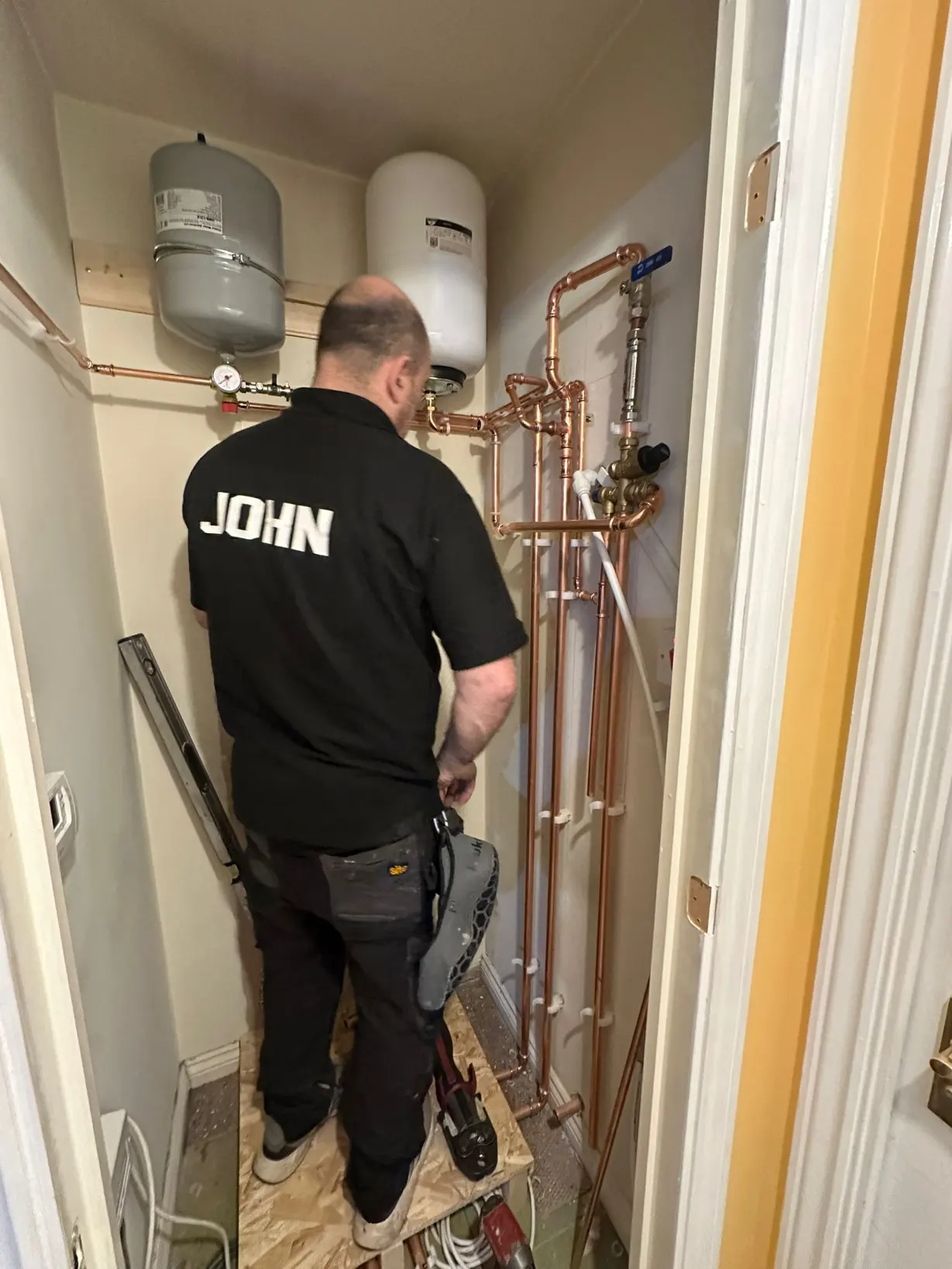
How Much Does Boiler Installation Cost?
The average boiler installation cost in the UK can range from around £1,790 to more than £2,685, depending on the type of boiler and the complexity of the work. Actual boiler costs vary depending on the specification of the new boiler, labour involved, controls, system condition and whether pipework changes are needed.
What affects boiler installation cost the most?
- The type of boiler being fitted
- Whether the replacement boiler is the same type as the old boiler
- Whether the boiler is being relocated
- The size of the home
- The number of radiators
- The number of bathrooms
- The condition of the central heating system
- Whether a system flush, magnetic boiler filter or control upgrades are required
A straightforward like-for-like boiler replacement is usually more cost-effective than changing from a conventional boiler to one of the more compact combi boilers, as system conversions often involve more labour and more materials.
Because every property is different, the best approach is to arrange a proper assessment and a fixed price quote. We aim to provide a clear boiler quote so you understand what is included and what the likely work involves. If you prefer, you can contact us first for an initial discussion before arranging a visit, rather than relying on a generic boiler quote online that does not reflect the actual property.
Boiler Cost & Quote Estimator
See what usually affects boiler cost, installation complexity and the type of quote you are likely to need. We will then use your summary to prepare for a more accurate assessment.
Your project
Guide only. Final boiler and installation cost depends on the system, property, location of the boiler, any upgrades required and the work identified during assessment.
Your quote guide
Boiler installation costs are typically included in the price quoted following an assessment of the work required.
In many cases, you can request a boiler quote online before arranging a home survey.
- Clear boiler quotes
- Transparent pricing
- No hidden charges
Our Boiler Installation Process
We keep the process simple and structured
We discuss your current boiler, the problems you are having, and whether you need a full new boiler installation or a more limited boiler replacement.
We assess the home, the central heating system, your hot water demand and the most suitable size boiler for the property. If the system needs wider improvements, we can also advise whether items such as new radiators or updated controls should be considered alongside the new boiler.
We recommend the most suitable new boiler and provide a fixed price quote where possible. This makes it easier to compare options clearly and understand the likely cost before work begins.
We drain the system, remove the old boiler, prepare the area, carry out the installation and complete any agreed system work.
We test the gas boiler, controls, central heating and hot water, then commission the appliance properly and confirm the warranty requirements have been met. Where applicable, we also make sure an A-rated boiler installed in the property has been set up correctly and in line with the manufacturer's instructions.
We explain the controls, answer questions, and make sure you understand how to use the new boiler.
Boiler Service, Warranty and Ongoing Care
Once your new boiler is fitted, ongoing maintenance still matters. Most manufacturers require an annual boiler service to keep the manufacturer’s warranty and the boiler’s warranty valid, so it is important to have the boiler checked at the correct intervals.
A regular boiler service helps identify wear early, keeps the appliance working safely and gives you a clearer picture of ongoing performance. Boiler service cost can vary depending on the appliance and what is included. Still, routine servicing is usually far more cost-effective than leaving problems to develop.
Some homeowners also choose to review whether they want boiler cover after a new boiler installation. This is a separate decision, but whichever route you take, annual servicing remains important for safety, reliability and warranty protection.
Why Choose Us?
Homeowners looking for boiler installers usually want safety, reliability and clear communication. That is why many people prefer experienced local installers who understand the area, turn up when agreed and carry out the work properly.
Complete heating provides:
- Gas Safe registered engineers
- Professional boiler installation carried out safely and correctly
- Clear advice on the type of boiler best suited to the property
- Honest guidance on whether to repair the current boiler or get a new boiler
- Tidy workmanship and respectful service in your home
- Support with choosing from suitable models made by leading manufacturers
- Local coverage across Worcestershire and nearby Midlands areas
When comparing boiler installers, it is sensible to look at qualifications, customer feedback and whether the company explains the work clearly. Many homeowners read online reviews or use online boiler guides before making a decision. Still, the key thing is always to choose a properly qualified installer with the right experience.
Speak to Complete Heating About a New Boiler Installation
If you need a new boiler, want advice on boiler replacement, or are comparing options for a new gas boiler, Complete Heating can help.
We provide professional boiler installation across Worcestershire and the surrounding Midlands areas, with clear guidance from the start and work carried out properly.
Phone: 0800 050 2345
Email: john@complete-heating.co.uk
Gas Safe registered: 215453
Boiler Installation FAQs
A newer and more efficient boiler can help reduce heating bills, particularly if you are replacing an older, inefficient appliance. However, actual savings will vary depending on the age of the old boiler, the controls fitted, insulation levels and how the heating system is used.
Yes. An annual boiler service is important for safety, performance and warranty protection. In most cases, regular servicing is required to keep the manufacturer's warranty and the boiler's warranty valid.
Boiler service cost varies depending on the boiler and the level of cover or servicing included. Still, routine servicing is generally a sensible part of maintaining a new boiler and protecting the wider heating system.
Many people buy boiler cover as added peace of mind. Others rely on the manufacturer's warranty and yearly service. It is really up to you, but whatever you do, do not forget to have the boiler serviced annually.
AVAILABLE THROUGHOUT THE MIDLANDS AND BEYOND
- Alcester
- Alvechurch
- Astwood Bank
- Barnt Green
- Beoley
- Bewdley
- Bournville
- Bromsgrove
- Cotteridge
- Droitwich Spa
- Evesham
- Feckenham
- Hagley
- Henley-in-Arden
- Hollywood
- Kidderminster
- Kings Heath
- Kings Norton
- Longbridge
- Malvern
- Mappleborough Green
- Moseley
- Northfield
- Pershore
- Redditch
- Rednal
- Rubery
- Sambourne
- Shirley
- Solihull
- Stratford-upon-Avon
- Studley
- Stourport-on-Severn
- Tanworth-in-Arden
- Warwickshire
- Worcester
- Worcestershire
- Wythall
Complete Boiler Services
Our comprehensive boiler services will ensure that your central heating and hot water are functioning both safely and at maximum efficiency. Whether it is for the installation of a new boiler, repairs to your current boiler, or annual boiler maintenance, we are here to assist.
Boiler Replacement
Upgrade your old, unreliable boiler with a modern, efficient replacement matched to your home and hot water demand.
A boiler replacement can help if you are experiencing:
- Frequent breakdowns and rising repair costs
- Higher energy bills from poor efficiency
- Inconsistent heating or hot water performance
- An ageing boiler nearing end of life
Boiler Repairs
The most common faults with Gas Boilers, Combi Boiler Systems and System Boilers include:
- No Heat/Hot Water
- Low Water Pressure
- Leaks From The Boiler
- Unusual Sounds
- Inconsistent Temperature
- Boiler Repeatedly Losing Pressure
If you see these signs in your boiler, you should get it checked as soon as possible.
→ View Boiler RepairsBoiler Servicing
Annual Boiler service shelters you from serious risks with your boiler and helps maintain efficiency by keeping it safe to use, and also ensures your warranty remains valid.
Most major Boiler manufacturers advocate an annual Boiler service. It's also important to get your boiler serviced regularly because it:
- Improves boiler efficiency
- Ensures safe gas operation
- Helps prevent carbon monoxide risk
- Identifies wear before breakdown
- Ensures the boiler is properly maintained
Regular servicing also helps ensure the boiler remains boiler safe and operating correctly while keeping the boiler warranty valid.
→ View Boiler ServicingEmergency Boiler Repair
If your heating and hot water fail unexpectedly, we provide prompt response across Worcestershire and the surrounding areas.